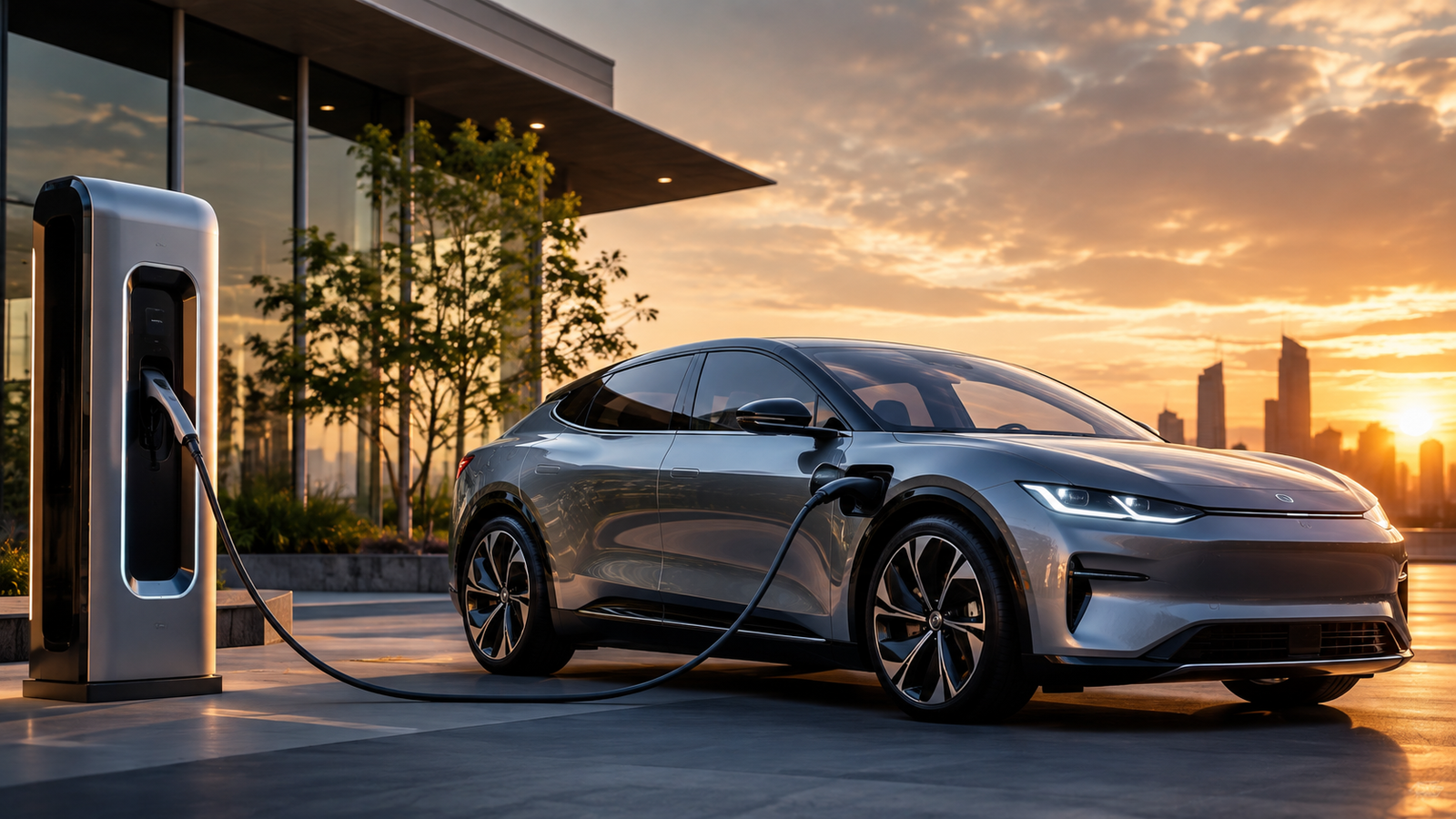
What Are Electric Vehicles?
Electric vehicles, commonly called EVs, use electric motors for propulsion instead of relying entirely on traditional internal-combustion engines.
They have become an increasingly important part of the transportation industry.
How Electric Cars Work
Electric vehicles use batteries to store electrical energy.
When the vehicle is driven, electricity powers the motor, which turns the wheels.
Benefits of Electric Vehicles
EVs offer several potential advantages, including:
- Quiet operation
- Electric motor efficiency
- Reduced tailpipe emissions
- Regenerative braking
- New driving technologies
Charging Technology
Charging infrastructure is an important part of EV adoption.
Drivers can charge vehicles at home, workplaces, public charging stations, and other locations depending on availability.
The Future of Transportation
Electric vehicles are also being combined with other technologies such as advanced driver-assistance systems, connected services, and improved battery technology.
Final Thoughts
Electric vehicles are changing the way people think about transportation.
As battery technology and charging infrastructure continue to develop, EVs are likely to remain an important part of the future automotive industry.
The road ahead is becoming increasingly electric.




Leave a Reply